

KDIGO सिस्टोलिक रक्तचाप लक्ष्य है<120 MmHg For Chronic Kidney Disease Appropriate in Routine Clinical Practice?
Aug 14, 2024
अमूर्त:उच्च रक्तचाप का सावधानीपूर्वक प्रबंधन महत्वपूर्ण हैक्रोनिक किडनी रोग (सीकेडी)कोहृदय रोग के जोखिम को कम करें, मृत्यु दर, औरसीकेडी की प्रगति. सीकेडी में रक्तचाप (बीपी) प्रबंधन पर हाल ही में प्रकाशित किडनी रोग सुधार वैश्विक परिणाम (केडीआईजीओ) दिशानिर्देश मानकीकृत बीपी माप और बीपी के सख्त नियंत्रण के महत्व पर जोर देता है। यह एक उपयोगी दस्तावेज़ है जो वैश्विक स्तर पर सीकेडी में उच्च रक्तचाप के प्रबंधन को बेहतर बनाने में मदद करेगा। हालाँकि, सिस्टोलिक बीपी लक्ष्य की सिफारिश<120 mmHg by KDIGO is controversial. It is based on weak evidence derived mainly from a single randomized controlled trial and its CKD subgroup analysis. Here, we review the current evidence surrounding BP target in CKD. We argue that the target recommended by KDIGO is not generalizable to the majority of people with CKD. Standardized BP measurements are challenging to implement outside specialist hypertension and research clinics, and the target of <120 mmHg BP systolic cannot be extrapolated to routine clinic BP measurements. If applied to routine BP measurement, this target will expose the multimorbid and frail CKD patients to the risk of adverse events including falls and fractures. Furthermore, it will not be achievable in the majority of CKD patients. The target recommended by KDIGO is an outlier among contemporary major international hypertension guidelines and is likely to perplex clinicians. We believe the KDIGO-recommended target systolic BP <120 mmHg for CKD is inappropriate in the majority of CKD patients and it may even be harmful for patients managed in routine clinical practice.

सीकेडी के लिए नया हर्बल फॉर्मूलेशन
उच्च रक्तचाप दोनों के लिए एक महत्वपूर्ण जोखिम कारक हैहृदय रोग (सीवीडी)औरक्रोनिक किडनी रोग (सीकेडी).1 इसका भी प्रमुख योगदान हैCKD.2,3 की प्रगतिइसके अलावा, सीकेडी हैसीवीडी के उच्च जोखिम से जुड़ा हुआ है, इतना कि चरण 3 सीकेडी वाले रोगी के लिए, सीवीडी के कारण मृत्यु का जोखिम अंतिम चरण की किडनी की बीमारी से कहीं अधिक है।3,4 इसलिए, सीकेडी में सीवीडी जोखिम को कम करने और धीमा करने के लिए उच्च रक्तचाप का सावधानीपूर्वक नियंत्रण महत्वपूर्ण है। सीकेडी की प्रगति
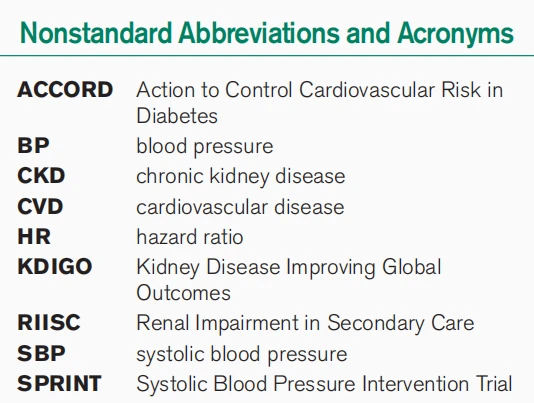
किडनी डिजीज इम्प्रूविंग ग्लोबल आउटकम (KDIGO) एक वैश्विक गैर-लाभकारी संगठन है जो "दुनिया भर में किडनी रोग के रोगियों की देखभाल और परिणामों" को बेहतर बनाने के लिए साक्ष्य-आधारित नैदानिक अभ्यास दिशानिर्देशों को विकसित और लागू करने में मदद करता है। मार्च 2021 में, इसने सीकेडी,5 में रक्तचाप (बीपी) के प्रबंधन के लिए क्लिनिकल प्रैक्टिस दिशानिर्देश प्रकाशित किया, जो 20126 के उनके पिछले दिशानिर्देश का अद्यतन है। इसका उद्देश्य बीपी और प्रबंधन को मापने के लिए इष्टतम साधनों के बारे में वर्तमान साक्ष्य का आकलन करना था। मधुमेह और गैर-मधुमेह सीकेडी, किडनी प्रत्यारोपण और बाल चिकित्सा आबादी में सीकेडी सहित सीकेडी रोगियों में उच्च रक्तचाप। यह 92 पृष्ठों का एक उपयोगी दस्तावेज़ है जो ऊपर उल्लिखित क्षेत्रों में साक्ष्य आधार की गहराई से पड़ताल करता है। दिशानिर्देश अनुशंसा करता है कि "उच्च बीपी और सीकेडी वाले वयस्कों को लक्ष्य सिस्टोलिक रक्तचाप (एसबीपी) का इलाज किया जाना चाहिए"<120 mmHg, when tolerated, using a standardized office BP." This recommendation has prompted debates among nephrologists across the globe as to how appropriate this target BP is in day-to-day clinical practice. In this article, we have gone through the available evidence and argue that this target is based on tenuous evidence, not generalizable, and raises significant safety concerns.
साक्ष्य की ताकत
इस सिफ़ारिश को दिशानिर्देश कार्य समूह द्वारा स्तर 2 के रूप में वर्गीकृत किया गया है, अर्थात, एक सिफ़ारिश जिसके लिए "नीति निर्धारित करने से पहले पर्याप्त बहस और हितधारकों की भागीदारी की आवश्यकता होने की संभावना है" और गुणवत्ता स्तर बी, जो बताता है कि यह मध्यम स्तर पर आधारित है। -गुणवत्ता प्रमाण. यह सिफ़ारिश सामान्य आबादी में केवल एक सुव्यवस्थित यादृच्छिक नियंत्रित परीक्षण (आरसीटी), स्प्रिंट (सिस्टोलिक ब्लड प्रेशर इंटरवेंशन ट्रायल),7, और इसके सीकेडी उपसमूह विश्लेषण पर आधारित है।8

स्प्रिंट ने 50 वर्ष से अधिक उम्र और कम से कम 1 सीवीडी जोखिम कारक वाले 9361 गैर-मधुमेह व्यक्तियों को गहन (एसबीपी) में यादृच्छिक किया।<120 mmHg) and standard (<140 mmHg) arms. The study was terminated early after an average follow-up of 3.36 years because of substantial CVD and mortality benefits in the intensive BP arm. Participants in the intensive arm were found to be at 25% lower relative risk of the primary outcome-a composite of myocardial infarction, acute coronary syndrome, stroke, congestive heart failure, or CV death. There was a 27% relative risk reduction of all-cause death.7 The CKD subgroup (n=2646) analysis, which was respectful, showed a 28% relative risk reduction of all-cause death but no risk reduction in the composite primary CVD outcome or the composite kidney outcome (drop in eGFR of ≥50% from baseline or end-stage kidney disease). Furthermore, there was a more rapid decline in the estimated glomerular filtration rate (eGFR) over the first 6 months in the intensive BP group, which continued, albeit at an attenuated rate, beyond the sixth month.8
स्प्रिंट को उपसमूह विश्लेषण के लिए संचालित नहीं किया गया था,7 और यह जल्दी समाप्त हो गया। गहन बीपी बांह में तीव्र गुर्दे की चोट का खतरा बढ़ गया था। भले ही सीकेडी द्वारा कोई औपचारिक प्रभाव संशोधन नहीं किया गया था, सीकेडी उपसमूह में प्राथमिक सीवी परिणाम के जोखिम में कमी (-18%) सीकेडी के बिना आबादी की तुलना में कम स्पष्ट थी (-30%)। दिशानिर्देश कार्य समूह ने कहा, "गहन एसबीपी शाखा में गुर्दे के परिणामों के लिए जोखिम: लाभ अनुपात इस उपसमूह में उतना अनुकूल नहीं हो सकता है जितना कि उच्च बेसलाइन ईजीएफआर वाले उपसमूह में।"7 ईजीएफआर और जोखिम को देखते हुए एसपीआरआईएनटी का एक पोस्ट हॉक विश्लेषण गैर-मधुमेह रोगियों के बीच गहन बीपी नियंत्रण के लाभ प्रोफ़ाइल में पाया गया कि सख्त बीपी नियंत्रण का सीवी लाभ कम ईजीएफआर द्वारा क्षीण हो जाता है, जबकि इसने AKI पर प्रभाव को संशोधित नहीं किया है। ईजीएफआर वाले 968 रोगियों में<45 ml/min/1.73 m2, there was no reduction in CV risk in the intensive BP group compared with the standard BP group (hazard ratio [HR], 0.92 [95% CI, 0.62–1.38]), whereas it increased the risk of AKI (HR, 1.73 [95% CI, 1.12–2.66]).9
एकमात्र परीक्षण जिसने स्प्रिंट (एसबीपी) में परीक्षण किए गए निम्न बीपी लक्ष्य की तुलना की,<120 mm Hg) with standard BP control (<140 mmHg) in diabetic patients was the ACCORD trial (Action to Control Cardiovascular Risk in Diabetes).10 This trial failed to show any benefit of intensive BP control except a reduction in the risk of developing nonfatal stroke. Moreover, ACCORD included a few participants with significant CKD. Rightly, the guideline work group stated, "There is little evidence from ACCORD alone to guide a recommendation for patients with diabetes and CKD."7 Three recent systematic reviews and meta-analyses looked at the benefit of intensive BP control in CKD. The first one compared intensive BP control (<130/80 mmHg) with standard BP control (<140/90 mmHg) on major renal outcomes in patients with CKD without diabetes. It included 9 major hypertension trials with 8127 participants, including SPRINT, which looked at the progression of CKD. Over a median of 3.3 years of follow-up, there was no additional benefit of intensive BP control on renal outcomes.11 The second carried out a meta-analysis of 18 randomized clinical trials (including SPRINT and ACCORD) comprising 15924 patients with CKD, more intensive BP lowering (achieved mean SBP, 132 versus 140 mmHg) was associated with significantly lower (HR, 0.86 [95% CI, 0.63–0.99]) risk of mortality compared with less intensive BP control.12 The most recent of these studies pooled individual data on 4983 participants from 4 major hypertension and CKD trials, including SPRINT and ACCORD, testing the impact of intensive BP target (SBP, <130 mmHg) compared with the standard target (SBP, <140) on all-cause mortality. On primary analysis, there was no significant difference between the groups in the primary outcome of all-cause mortality or the secondary outcomes of CV composite endpoint and CV mortality.13 After excluding those with eGFR >प्रति 1.73 एम2 और गहन ग्लाइसेमिक उपचार 60 एमएल/मिनट, गहन बीपी समूह (एचआर, 0.79 [95% सीआई, 0.63) में सर्व-कारण मृत्यु दर का कम जोखिम दिखाई दिया –1.00]). इन मेटा-विश्लेषणों में,<120 mmHg threshold was not tested, probably because ACCORD and SPRINT, that is, the two sole large trials testing such a threshold, produced highly heterogeneous results.

26 उच्च रक्तचाप परीक्षणों (स्प्रिंट, एकॉर्ड और सहित) का एक नेटवर्क मेटा-विश्लेषणसभी प्रमुख सीकेडी बीपी परीक्षण) स्ट्रोक, रोधगलन, मृत्यु, की प्रभावकारिता परिणामों का मूल्यांकन कियाहृदय संबंधी मृत्युh, दिल की धड़कन रुकना, और एंजियोएडेमा, हाइपोटेंशन, सिंकोप, ब्रैडीकार्डिया/अतालता, या हाइपो/हाइपरकेलेमिया सहित गंभीर प्रतिकूल प्रभावों के सुरक्षा परिणाम। परीक्षण हथियारों को 5 एसबीपी लक्ष्य श्रेणियों में बांटा गया था:<160, <150, <140, <130, and <120 mmHg. There was no difference in death, cardiovascular death, or heart failure when comparing any of the BP targets. The point estimates favored lower BP targets (<120 and <130 mmHg) when compared with higher BP targets (<140 or <150 mmHg). However, there were significantly higher incidence rates of serious adverse effects with lower BP targets. On-treatment SBP target of <130 mmHg achieved optimal balance between efficacy and safety.14 This has been further supported by a recent trial, which tested whether intensive BP control (SBP, 110–130 mmHg) is superior to standard BP control (130–150 mmHg) in reducing the risk of CV events in 9624 Chinese patients (19% diabetic, 196 patients with eGFR <60 mL/min per 1.72 m2), aged between 60 and 80 years. The mean achieved BP in the two groups was 127.5 and 135.3 mmHg, respectively. There was a 26% relative risk reduction (HR, 0.74 [95% CI, 0.60–0.92]) of primary composite CV endpoint, without an increase in adverse events except for more hypotension in the intensive BP control arm. Importantly, there was no difference between the groups in terms of renal outcomes.15
ऊपर प्रस्तुत सबूतों को मिलाकर, हम तर्क देंगे कि इस सिफारिश का समर्थन करने के लिए अपर्याप्त सबूत हैं कि "उच्च बीपी और सीकेडी वाले वयस्कों को लक्ष्य सिस्टोलिक रक्तचाप (एसबीपी) के साथ इलाज किया जाना चाहिए।"<120 mmHg, when tolerated, using a standardized office BP." The quality of evidence underpinning this recommendation is perhaps low rather than moderate, that is, "the true effect of intensive BP control may be substantially different from the estimate of the effect."
सामान्यीकरण
प्रति प्रोटोकॉल, स्प्रिंट ने व्यक्तियों को बाहर रखा<50 years of age, those with diabetes or proteinuria ≥1 g/ day, adult polycystic kidney disease, glomerulonephritis treated with or likely to be treated with immunosuppressive therapy, and those with eGFR <20 mL/min per 1.73 m2. The mean eGFR in SPRINT was 48 mL/min per 1.73 m2, and it included a few patients with CKD stage 4. Of the cases of CKD that were excluded in SPRINT, diabetes is the commonest cause of CKD accounting for 42% of cases across the world. Glomerulonephritis accounts for ≈20% followed by adult polycystic kidney disease (around 10%).16,17 We have also seen that the ACCORD trial did not show any benefit of intensive BP control on CVD and death, except a reduction in nonfatal stroke, in people with diabetes. Therefore, strictly speaking, the KDIGO-recommended target SBP <120 mmHg may not apply to the vast majority of patients with CKD the nephrologists care for.
निम्न BP लक्ष्य की सुरक्षा
KDIGO BP दिशानिर्देश अनुशंसा करता है कि CKD वाले लोगों में BP को मानकीकृत तरीके से मापा जाना चाहिए। एक मानकीकृत कार्यालय बीपी अनिवार्य रूप से एक शांत वातावरण में कम से कम 5 मिनट के आराम के बाद, एक मान्य डिवाइस का उपयोग करके लिया गया औसतन 2 या 3 बीपी माप है। KDIGO मार्गदर्शन सुझाव देता है कि रोगियों को माप से कम से कम 30 मिनट पहले कैफीन, व्यायाम और धूम्रपान से बचना चाहिए। यह यह सुनिश्चित करने का भी सुझाव देता है कि माप से पहले मरीज ने अपना मूत्राशय खाली कर लिया है।5 इसके विपरीत, नियमित कार्यालय बीपी माप (जिसे कैज़ुअल बीपी भी कहा जाता है) में रीडिंग लेने से पहले कोई तैयारी शामिल नहीं होती है। स्प्रिंट और अन्य हालिया उच्च रक्तचाप परीक्षणों ने मानकीकृत बीपी रीडिंग का उपयोग किया क्योंकि वे कार्यालय के बाहर बीपी माप के साथ अच्छी तरह से सहसंबंध रखते हैं। हमारा मानना है कि बीपी को मानकीकृत तरीके से मापने की केडीआईजीओ की सिफारिश उचित है; हर बार बीपी मापते समय बीपी को मानकीकृत तरीके से मापने का प्रयास किया जाना चाहिए। हालाँकि, अक्सर, नैदानिक अभ्यास में नेफ्रोलॉजिस्ट नियमित कार्यालय बीपी पर भरोसा करते हैं। कार्यालय रीडिंग अक्सर मानकीकृत बीपी माप और एम्बुलेटरी या होम बीपी रीडिंग से काफी अधिक होती है, मुख्य रूप से सफेद-कोट प्रभाव के कारण, 18 जो उपचारित उच्च रक्तचाप वाले 50% से अधिक रोगियों को प्रभावित करता है, क्लिनिक और एम्बुलेटरी बीपी के बीच औसत अंतर 20 एमएमएचजी है। 19 इसके अलावा, मानकीकृत बीपी माप अंत-अंग क्षति के साथ अच्छी तरह से सहसंबद्ध है।20 इलेक्ट्रॉनिक स्वास्थ्य रिकॉर्ड से स्प्रिंट में बीपी और नियमित नैदानिक अभ्यास में प्राप्त बीपी के बीच सामंजस्य को देखने वाले एक अध्ययन से पता चला है कि व्यापक समझौते के अंतराल के साथ दोनों के बीच कम समझौता था। −30 से +45 mmHg तक। दिलचस्प बात यह है कि मानक उपचार समूह की तुलना में गहन उपचार समूह में अंतर अधिक था (औसत अंतर, 7.3 बनाम 4.6 एमएमएचजी)।21 सीकेडी के संदर्भ में, मानकीकृत कार्यालय बीपी, नियमित कार्यालय बीपी से औसतन 12.7 एमएमएचजी कम है। सहमति की व्यापक सीमाओं के साथ (-46.1 से 20.7 मिमीएचजी)।22 नियमित और मानकीकृत बीपी माप के बीच सहमति की व्यापक सीमाएं व्यक्तिगत रोगियों के भीतर अंतर पर जोर देती हैं। नतीजतन, मानकीकृत बीपी का अनुमान लगाने के लिए कोई सुधार कारक नियमित बीपी पर लागू नहीं किया जा सकता है। उचित रूप से, दिशानिर्देश कार्य समूह ने कहा कि एसबीपी लक्ष्य को लागू करना संभावित रूप से खतरनाक हो सकता है<120 mmHg nonstandardized BP measurements to office BP measurements, the most frequently used metric in nephrology clinics across the world, as there is a risk of overtreatment.
कम लक्ष्य बीपी के संभावित खतरों, विशेष रूप से जब नियमित बीपी माप पर लागू किया जाता है, तो पोस्टुरल हाइपोटेंशन, बार-बार गिरने और फ्रैक्चर, तीव्र गुर्दे की चोट, कम कैरोटिड रिजर्व वाले लोगों में स्ट्रोक, और नवीकरणीय वाले लोगों में ईजीएफआर में तेजी से गिरावट का खतरा बढ़ जाता है। रोग.23 सीकेडी रोगियों को सामान्य आबादी की तुलना में इन घटनाओं का बहुत अधिक खतरा होता है क्योंकि उनमें से कई बुजुर्ग, कमजोर और बहु-रुग्ण होते हैं।14 गिरने की मानवीय और सामाजिक लागत बहुत अधिक है। मानवीय लागत में दर्द, चोट, संकट, आत्मविश्वास की हानि और मृत्यु का बड़ा जोखिम शामिल है। कूल्हे के फ्रैक्चर से पीड़ित 3 में से एक व्यक्ति की एक वर्ष के भीतर मृत्यु हो जाती है, हालांकि अधिकांश मौतें सीधे तौर पर फ्रैक्चर के कारण नहीं होती हैं, बल्कि अंतर्निहित खराब स्वास्थ्य के कारण होती हैं, जिसका गिरना एक संकेत हो सकता है। यूनाइटेड किंगडम में, गिरावट के कारण यूके की राष्ट्रीय स्वास्थ्य सेवा (एनएचएस) को प्रति वर्ष £2 बिलियन और 4 मिलियन बिस्तर दिवस की लागत आती है।24 संयुक्त राज्य अमेरिका में, 2014 में, वृद्ध वयस्कों के लिए कुल व्यक्तिगत स्वास्थ्य देखभाल व्यय था। अलास्का में $48 मिलियन से लेकर कैलिफोर्निया में $4.4 बिलियन। वृद्ध वयस्कों में गिरावट के कारण चिकित्सा व्यय अलास्का में $22 मिलियन से लेकर फ्लोरिडा में $3.0 बिलियन तक था।25

संभवतः, स्प्रिंट में एकेआई हल्का और प्रतिवर्ती था और इसे हेमोडायनामिक प्रभाव के लिए जिम्मेदार ठहराया गया था। हालाँकि, हम नहीं जानते कि गहन बीपी कम होने के साथ एकेआई/ईजीएफआर में गिरावट का दीर्घकालिक प्रभाव विशेष रूप से उन्नत सीकेडी.26 वाले लोगों में क्या होता है। ऐसा विशेष रूप से इसलिए होता है क्योंकि गहन बीपी नियंत्रण के परीक्षणों में अनुवर्ती अवधि अपेक्षाकृत कम होती है। स्प्रिंट में, ईजीएफआर वाले लोगों में एकेआई काफी अधिक था<45 mL/min per 1.73 m2 than in those with higher eGFR9; there were few participants with stage 4 CKD. Monitoring for electrolyte disturbances and AKI may also be less frequent in routine clinical practice compared with clinical trials. Therefore, the guideline should have highlighted the importance of close follow-up of these patients.


