Kidney Stones: Symptoms, Diagnosis & Treatment
Feb 24, 2023
There are hundreds of "urban legends" about nutrition. For example, many patients with stones often deliberately avoid foods high in calcium because they think stones are calcium and worry that calcium will make stones more serious.
In fact, adequate calcium can reduce the absorption of oxalic acid in the intestine and help reduce kidney stones.
What are kidney stones?
A kidney stone is a type of urinary tract stone. It is a hard crystalline deposit of kidney metabolites that accumulate in the urine and grows larger over time.

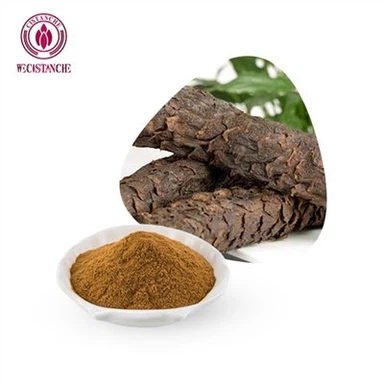
Click Here To Get More Infos About How Cistanche Prevent Kidney Stone
Ask for more:wallence.suen@wecistanche.com 0015292862950
Common Types of Kidney Stones
The most common type of kidney stones are calcium oxalate stones, which account for about 75% of all kidney stones and are densely packed with white, gray, or black stones. Phosphate stones account for about 10-20% of the stones. Phosphate stones are more irregular in shape and are mostly due to bacterial infection.
Uric acid stones, which account for about 5% of the total, are orange-colored transparent crystals that are usually caused by high levels of uric acid in the body.
Other stones include cystine stones.

Who is at high risk for kidney stones?
Inadequate water intake: If you do not have any specific disease, it is recommended that you drink at least 1500-2000cc of water every day, and you should drink more water when the weather is hot.
Obese people: Weight, BMI, increased waist circumference and other obese people are closely related to kidney stones.
Unbalanced diet: Eating only a specific diet, or eating foods high in sodium, sugar, oxalate, and protein, etc., are all likely to increase the risk of kidney stones.
Family or personal medical history or other diseases: If someone in the family has kidney stones, other family members have a higher chance than the general population, or people with other physical diseases may also have kidney stones.

To prevent and improve kidney stones, it is recommended to eat this way.
Eat enough calcium, 1000mg daily: Adequate calcium can reduce the absorption of oxalic acid in the human intestine and help reduce the recurrence of kidney stones. Many people worry about the formation of calcium oxalate in the body, and therefore reduce calcium supplementation.
Drink enough water, 2500cc per day: Urinating a lot can dilute urinary calcium and oxalic acid precipitation to avoid over-concentration. Drinking 2500cc of water daily not only increases urine output but also helps metabolism.
An appropriate amount of plant protein, reduce animal protein: animal protein eating too much easy to make the urinary calcium concentration rise, it is recommended that appropriate bean products or other high plant protein to replace part of the red meat intake, such as: black beans, Cistanche, soybeans, beans, chickpeas, etc., are very good plant protein.

Stay away from kidney stones and try to avoid
Diet high in oxalic acid: Drink less strong tea and excessive coffee and beverages, and take calcium supplements between meals to reduce the absorption of oxalic acid and to get enough calcium.
High mono-vitamin C: Excessive Vitamin C metabolism will form oxalic acid and increase the risk of hyperoxaluria. 100mg daily intake is recommended for adults, mainly from natural sources.
High sodium and salty diet: When the body takes in too much sodium, it will be excreted in the urine, which may increase urinary calcium concentration and increase stone precipitation crystals.
Finally, we would like to remind you that the above is an illustration of "calcium oxalate" stones that many people encounter. If the stones are caused by high uric acid, you can choose a "low protein diet" to improve them.
In other words, we should adjust the stones according to the type of stones and use professional medical tests to determine which type of stones they belong to before treatment.